Crochet 101: Are you using the right crochet hook?
Hello there friend! If you’ve landed here, that means you’ve got questions, curiosities and perhaps some frustrations about crochet hook sizing.
Choosing the right crochet hook for your yarn is arguably one of the most important (and often overlooked, IMO) steps in starting any successful crochet creation. If you’ve ever wondered what size crochet hook should I use? or how do I match yarn weight to hook size, then you are in the right place. In this guide I’ll walk you through the basics of hook sizes, what the deal is with the labels and how things like tension can change what hook you use.
So, whether you’re brand new to crochet or looking to improve the look and feel of your finished pieces, understanding how hooks and yarn work together can make all the difference.
Let’s jump in!
Why Crochet Hook Size Matters
The size of your crochet hook affects so many factors of your project.
Stitch size – Larger hooks create looser, bigger stitches, while smaller hooks create tighter, denser fabric (better for amigurumi or anything that will be stuffed).
Drape and texture – The right hook helps your creation feel squishy and soft, instead of feeling stiff or floppy.
Overall appearance – Even with the same yarn, changing your hook size can dramatically alter the final look of your work!
If you end up using a hook that’s just not quite right, you might get uneven stitches, tired hands, or a finished project that’s the wrong size, or just didn’t meet your expectations.
How to Match Crochet Hook Size to Yarn Weight
Luckily, most yarn labels include a recommended hook size, which is a great place to start, especially if you’re a beginner.
Here’s the Standard Yarn Weight System breakdown from the Craft Yarn Council.
Size 0 Lace: 2.25mm - Very fine, often for delicate shawls.
Size 1 Super Fine (Fingering/Sock): 2.25 - 3.5mm - Fine yarn for socks, baby items, lightweight garments.
Size 2 Fine (Sport/Baby): 3.5 - 4.5mm - Slightly heavier than fingering, great for colorwork and light sweaters.
Size 3 Light (DK/Light Worsted): 4.5 - 5.5mm - Double knitting (DK) is versatile for many projects.
Size 4 Medium (Worsted/Aran): 5.5 - 6.5mm - Popular and versatile for scarves, sweaters, blankets.
Size 5 Bulky (Chunky): 6.5 - 9mm - Works up quickly, ideal for cozy accessories and blankets.
Size 6 Super Bulky: 9 - 15mm - Very thick, used for projects like blankets and chunky sweaters.
Size 7 Jumbo: 15mm+ - The thickest, for extreme coziness and quick projects.
Of course, these aren’t strict rules, but helpful guidelines you’ll need to follow to get started on any project.
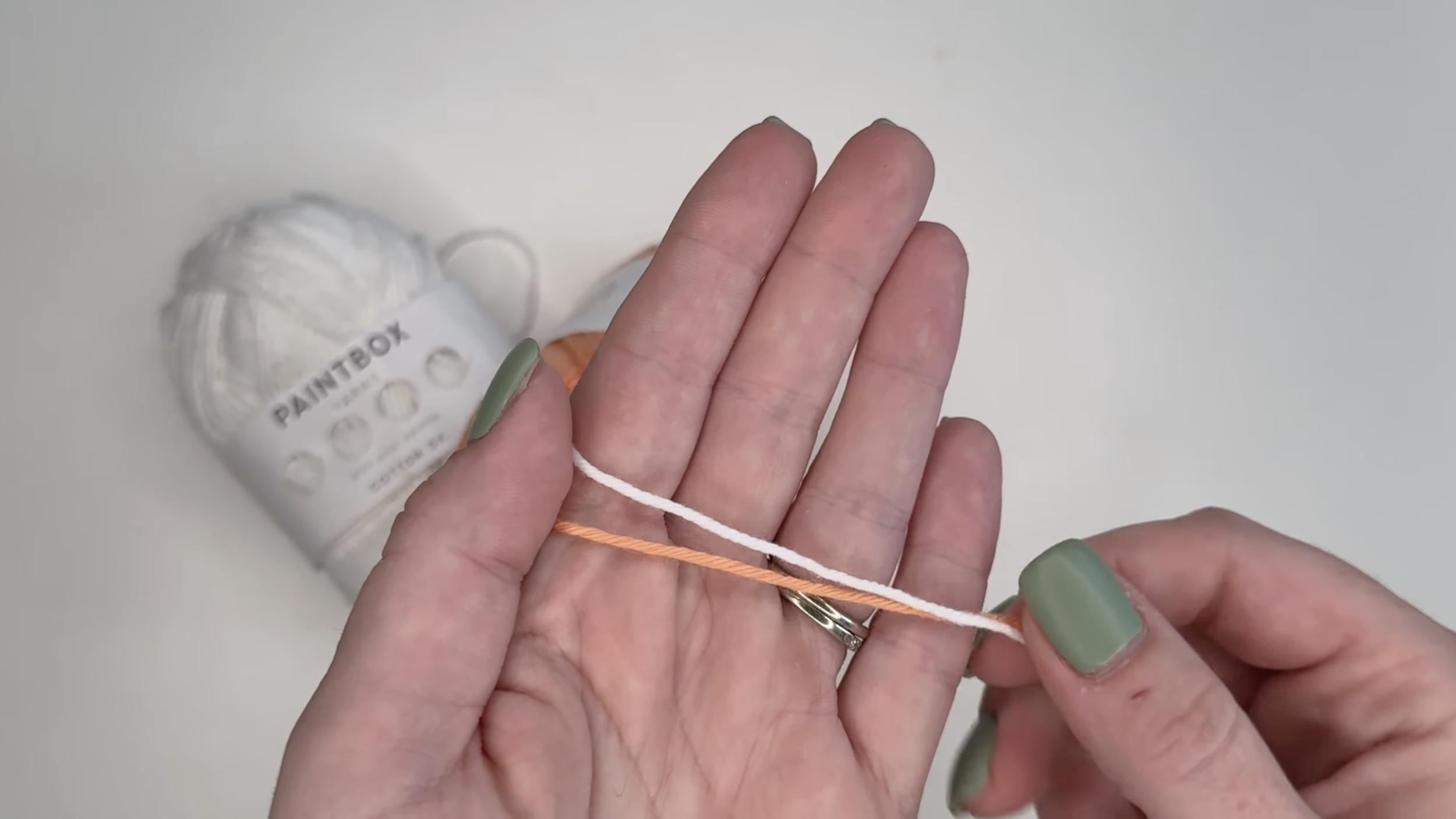
Unfortunately, what I’ve found most frustrating and surprising is that yarn weight is not consistent across yarn brands, so while these guidelines are helpful, choosing the right hook based on the yarn in front of you is so important!
For example, in this photo, the yarn weights look identical, however one is a size 2 yarn, and the other is a size 3. You could realistically use the same hook for both of these, even though the label would recommend otherwise!
Crochet Tension: Why It Affects Hook Choice
Your tension is so personal. Two crocheters using the same yarn and hook can end up with completely different results. As a crocheter with tight tension, I’ve seen firsthand what the differences can be.
As a rule of thumb:
If you tend to crochet tightly try going up a hook size.
If you crochet loosely, consider sizing down.
This isn’t something I always do, but making a small swatch before starting a project can help you find the hook size that feels right for you and will help you see how tight/loose/balanced your tension is.
Crochet Hook Materials and Comfort
Beyond size, you’ll also want to select the right hook material for you, especially while you’re building up the strength in your hands. A comfortable hook will make all the difference, especially for those longer projects or sessions.
Some common hook materials include:
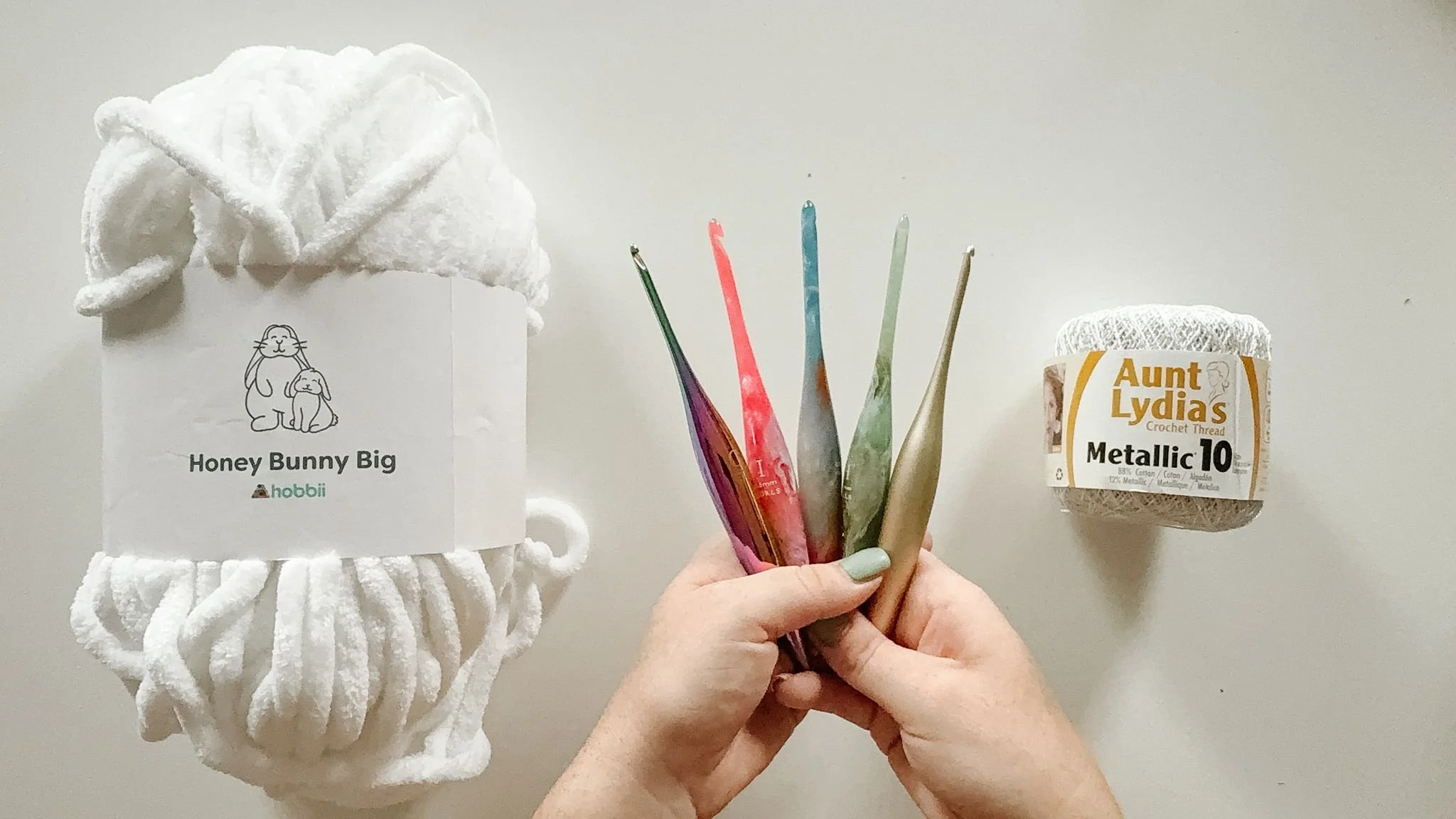
Metal – Smooth and fast, great for tighter stitches. I love these ergonomic metal hooks from Furls Crochet.
Bamboo/Wood – Warmer feel with more grip, helpful for slippery yarns. These gorgeous wood hooks (also from Furls Crochet) are an investment, but one of my favourite ones to use.
Plastic – Lightweight and affordable, often used for larger hook sizes. These resin hooks are stunning and I highly recommend them!
Ergonomic hooks with cushioned handles can also reduce hand strain and improve control. You can get wonderful beginner kits on Amazon with almost all of the hook sizes you’ll need that also have silicone ergonomic handles. Something like this is similar to what we used when we really started crocheting!
How to Choose the Best Crochet Hook for Your Project
Long story…long…what hook you need to crochet is flexible! The “best” hook isn’t always the one listed on the yarn label, it’s the one that enables you to create the project that you want.
As you’re crocheting, don’t be afraid to try:
Swapping hook sizes
Testing different materials
Adjusting based on project type (amigurumi vs garments vs blankets)
The more you experiment, the more confident you’ll become!
Final Thoughts: Choosing the Right Crochet Hook is Totally Doable
Picking the best crochet hook for your yarn doesn’t have to be complicated. By understanding yarn weight, paying attention to tension, and choosing a hook that feels comfortable in your hands, you’ll set yourself up for smoother stitching and better results.
We’ve also got a handy YouTube tutorial about hook sizing that you might find helpful!
We hope you enjoyed this hook size tutorial. Let us know in the comments if this helped you at all! Stay up to date with everything Double Dutch by subscribing to our newsletter and check back here often.
We always love to see your creations so feel free tag us on Instagram @doubledutchcrochetco!